
Preparation is the Key to Keeping Up Your Energy

You’re almost at the end of your workweek! This close to the finish line, you might be feeling worn out and tempted to throw in the towel. But you need to keep up your energy–after all, you still want to put in a strong showing throughout today and tomorrow so that you can end your week on a high note that’s sure to impress any employer. When striving to keep up your energy throughout your workday, preparation is key. This applies to both your embodied approach to work and the physical space you’re working in. The pros we’ve turned to below offer up tips and tricks to keep your energy going and flowing all the way to the finish line.
We love the way this suggestion that Cassie Shortsleeve at Shape highlights is a surefire way to get your day off to a great start: “Heat things up. Coffee has its perks, but April Wachtel, a mixologist and founder/CEO of Swig+Swallow, a cocktail batching and delivery service says that her ideal trick for alertness involves another kind of hot liquid: jumping in the shower first thing in the morning. Brittney, 27, an administrator at a 24/7 call and support center agrees, saying that a hot shower is usually enough to provide a short burst of (much-needed) energy.” Whether you’re a CEO or hourly employee, you can use this trick to kickstart your mornings. We appreciate the way this is a cheap and easy energy booster, one that you can use even if you’ve run out of coffee. Let science work its wonders by waking yourself up before work with this trick.
This next method from Eric Titner at The Job Network also centers on getting ready in a physical way: “Prep your workspace. A comfortable yet functional workspace designed to keep your energy levels consistently high will help you get through long work shifts. If you work at a desk, try to avoid a too-cushy office chair that makes you want to take a nap every time you sit down, and keep the energy-draining work distractions on your desk to a minimum. If you’re on your feet most of the time, be sure to wear comfortable shoes and make time to take regular seat breaks when feasible. The key here is balance—you want to create a balanced mix of comfort and functionality where you’re not sitting idly the entire time or on your feet for 12 hours straight. Also, flexibility is important—keep what works and change what doesn’t. Trial and error is an excellent tool to learn and plan, and a well-thought-out work area will help you stay energized during a long shift.” Just as you need to be prepared to mentally change course, make sure you’re applying that same sense of flexibility to your physical surroundings. If you find yourself more inclined towards nodding off or spacing out in one configuration, it’s time to shake things up. And you’ll want to ensure that you’re doing that experimentation BEFORE it’s time to clock in, so that you can get off to a great start the moment it’s time to begin.
Make sure you’re ending your day with the same kind of positive energy that you bring to the start of it; harness that positivity so that it will last you all day long. Preparation is key to creating and maintaining that kind of stamina. Remember, though, that practice makes perfect. So start practicing now! Allow yourself to strengthen an upbeat foundation. Doing so will allow you to brighten the days of everyone around you, bosses and colleagues alike. So keep your energy up and your unique light shining. We’ll see you back here tomorrow as we close out our week with the latest Feel Good Friday.
This posting is brought to you by Contemporaries Inc., one of the best temp agencies in Boston MA. Also available for payrolling employees in Boston and Greater Boston
Recent Posts

The Selfless Spirit
Ambition can be a great motivator but your actual actions should not be based on personal gain in the workplace, rather with a selflessness that moves the team and organization forward. This constructive quality over one's ego is one that distinguishes a responsible...

The Team Comes First
Sayings like 'the customer is always right' or 'first' may be rooted in the positive goal of satisfying the customer, but your team should come first. Dede Henley observes in her Forbes article on inspiring teams that "it’s common sense, isn’t it? Fight for your...

Asking the Right Questions: “How might we…”
The way questions are framed can encourage constructive ideas from your team. In a Forbes article on inspiring teams, Dede Henley suggests that starting the questions with, "How might we..." rather can "How do we..." can draw out questions "that get people to expand...

Constructively handle Concerns
There are always reasons to have concerns about a project. In fact, professional project managers will often formally divide these concerns into risk and uncertainty. Some risks can be managed by tracking them and preparing for them. For instance, if your project...

Feeling good on the job starts at home with a good nights rest
Feeling good on the job starts at home with a good nights rest. According to the National Sleep Foundation, "those with excellent sleep health are nearly 3.5 times more likely to report feeling well-rested on a typical weekday than those with poor sleep health." ...
Productivity is a Process
Even when you have effective methods for getting work done, the process of being more productive is an ongoing one. It may be tempting to fall into an "if it ain't broke don't fix it” mindset, but there are usually better ways of doing things. Many simply require...
Resume Tips: Keep it Clean, Clear & Simple
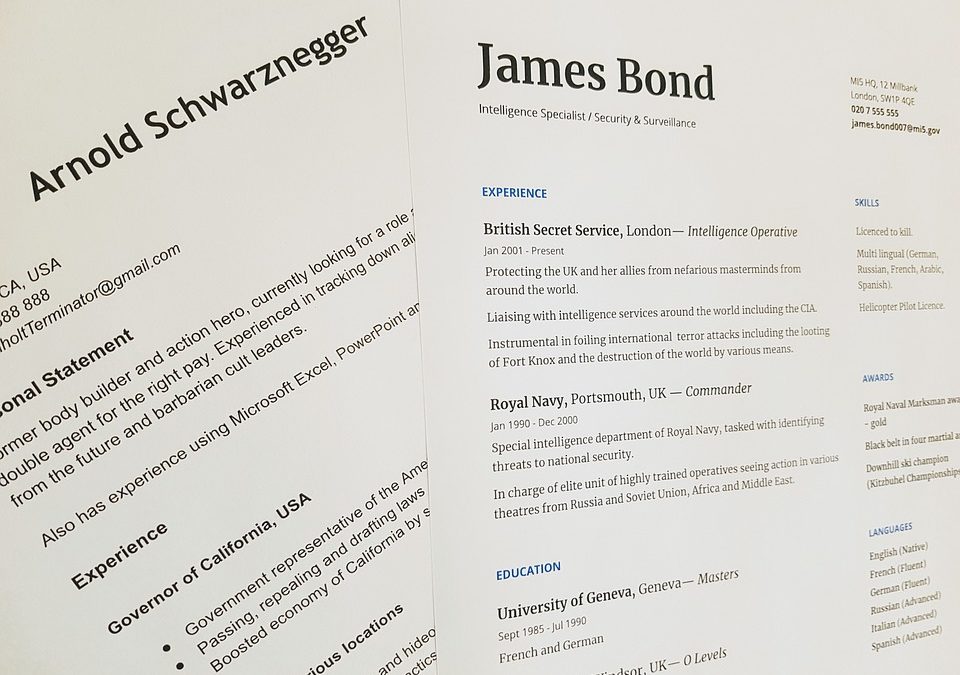
When writing your resume, keep it clean, clear and simple. Your prospective employer shouldn't have to riffle through pages or try to decipher your meaning. One clear page is better than several with unnecessary information. A clean resume is a pleasure to look at....
Interview edge? practice common questions
If you are looking to build your confidence before an interview, the surest way to feeling secure about what you'll say on the day is to practice. While you may not know exactly your interviewers will ask, there are common questions that come up again and again....

Presentation Tip 1: Practice out loud
Presenting your ideas effectively in the workplace is important, especially when delivering your views in a meeting. There are a number of steps you can take to build your confidence and improve your performance but simply practising OUT LOUD remains an effective...

The fundamental role of the team leader
When you take charge of a team, it is of paramount importance to understand member capabilities in relation to the project or team objectives. Once this is understood, its the role of the team leader to ensure that the conditions are set and implemented for utilizing...

Effective communication is a two way process
Many pitfalls can be avoided simply through improved communication between colleagues and stakeholders. A clear understanding of roles and expectations can help prevent unnecessary work and ensure that everyone is on the same page. In the healthcare sector, such...
Microsoft Word Tip 5: Add a Table of Contents
When preparing a paper, manual or report for work that involves more than one section to it, the addition of a ‘table of contents’ can help the reader get to exactly what they need. Including this roadmap also adds a polished quality to your work and can be done in a...
Microsoft Word Tip 4: Quick Charts
Visuals can make your report easier to understand and allow you to show off polished presentation skills at work. In earlier versions of Microsoft Word, you would need to link your word document to a separate Excel file to convert a simple list into a pie chart or...
Microsoft Word Tip 2: Built-in Save to PDF
There was a time when exporting your Word document to PDF required extra software that effectively pretended to be a printer. Those days are gone. Now transforming your word document file into a sleek and professional PDF can be done with three clicks of the mouse....