
Every Day at Work is a Chance to Learn

When it comes to increasing your professional knowledge, proactivity is key. You’ll need to not only keep an eye out for workplace opportunities–actively pursuing these chances for growth and learning is key! And, as always, being prepared is also a key component of workplace success, especially on the educational front. It’s important to think about not only what you’ve learned but the process of how you’ve learned it. That way you’ll be in the best position possible to take on new challenges. The pros that we’re turning to below today offer up phenomenal ways to be better aware of the ways you learn, as well as how to pursue professional opportunities to explore.
This tip from Josh Bersin and Marc Zao-Sanders at the Harvard Business Review provides a great education foundation: “Practice metacognition and mindfulness. Be aware and be present as you go about your daily job. There are many benefits to this, one of which is an increased ability to learn and develop. For example, don’t just sit in on that negotiation with a procurement expert; notice and learn her tactics and techniques as you engage with her. Ask product managers about product features; ask sales people about industry trends; ask peers for feedback on your presentation skills. These kinds of inquiries are learning experiences and most peers love to tell you what they know.” In other words, think about what you’re doing and why you’re doing it! Apply this to both your failures and successes. Ask yourself questions: what are your areas of opportunity and why might that be? Where do your areas of strength lie, and why are those your strongest suits? The goal is to increase your various workplace proficiencies to an optimal status. And you both can’t and shouldn’t do this work alone! Make sure you’re taking note of the approaches of others that lead to their successes in addition to soliciting feedback from outside eyes. Even in this suggestion, proactivity is key–make sure you’re taking action by asking those around you for advice.
Tracey Parson and Jenna Arcand at Work It Daily also offer up a great way to develop your professional skills: “Raise Your Hand For New Challenges. When you see new opportunities to learn new skills, go for it. If there is something in the company you want to learn to do and you see an opportunity to learn those skills in a special project or a new assignment, make the grab. Do a little extra when it’s required to learn those new skills that you need to advance. Remember, it’s not aggressive to reach for a new opportunity. It is helpful, useful, and valuable. People who progress in their careers find ways to elegantly make grabs for new learning opportunities. When a new project comes up and it aligns with the skills you’re looking to obtain, raise that hand. Let your manager or HR team know that you want to learn some new skills or gain new, more advanced experience. Be clear on what you can offer to the project and get involved.” Your colleagues and bosses aren’t mind readers! Communication is key. Let those around you know that you are ready to take on even more workplace responsibilities. And make sure both your words and your actions reflect your readiness and ability to process any new information that comes your way. Knowing what new, advanced opportunities exist at the company also show that you’ve been paying careful attention to the way your workplace works–that you’ve already been an attentive student and know what you’re doing! Let your proactivity shine; take the lead instead of waiting for opportunities to come your way.
As autumn draws closer, let the change of seasons offer up a fresh start. With that new beginning comes ample opportunities to learn new skills, and new facts about your organization that will help you hone what you already know. Whether you’re headed back to school or heading back to another day of work, consider these circumstances chances for educational growth. Remember that everyone around you has their own unique strengths, which means that all of your co-workers and bosses have unique skills that they can teach you more about. Don’t be afraid to ask! At the end of the day, everyone is on the same team and working together to improve your processes as you strive towards a common goal. Join us again tomorrow as we finish off the week with our Feel Good Friday: Learning edition.
This posting is brought to you by Contemporaries Inc., one of the best temp agencies in Boston MA. Also available for payrolling employees in Boston and Greater Boston
Recent Posts

The Selfless Spirit
Ambition can be a great motivator but your actual actions should not be based on personal gain in the workplace, rather with a selflessness that moves the team and organization forward. This constructive quality over one's ego is one that distinguishes a responsible...

The Team Comes First
Sayings like 'the customer is always right' or 'first' may be rooted in the positive goal of satisfying the customer, but your team should come first. Dede Henley observes in her Forbes article on inspiring teams that "it’s common sense, isn’t it? Fight for your...

Asking the Right Questions: “How might we…”
The way questions are framed can encourage constructive ideas from your team. In a Forbes article on inspiring teams, Dede Henley suggests that starting the questions with, "How might we..." rather can "How do we..." can draw out questions "that get people to expand...

Constructively handle Concerns
There are always reasons to have concerns about a project. In fact, professional project managers will often formally divide these concerns into risk and uncertainty. Some risks can be managed by tracking them and preparing for them. For instance, if your project...

Feeling good on the job starts at home with a good nights rest
Feeling good on the job starts at home with a good nights rest. According to the National Sleep Foundation, "those with excellent sleep health are nearly 3.5 times more likely to report feeling well-rested on a typical weekday than those with poor sleep health." ...

Productivity is a Process
Even when you have effective methods for getting work done, the process of being more productive is an ongoing one. It may be tempting to fall into an "if it ain't broke don't fix it” mindset, but there are usually better ways of doing things. Many simply require...
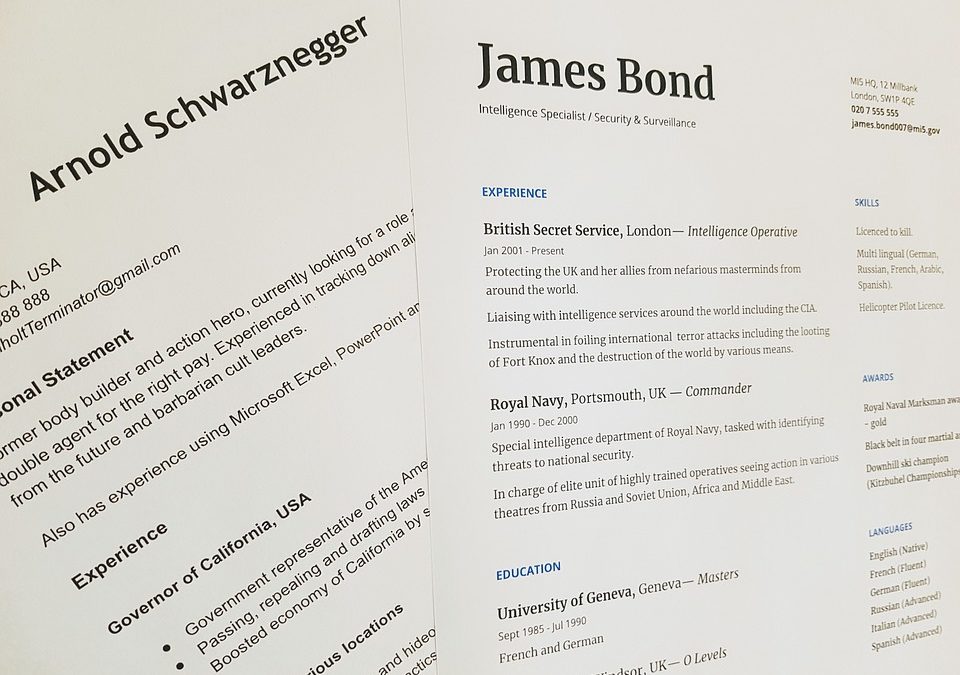
Resume Tips: Keep it Clean, Clear & Simple
When writing your resume, keep it clean, clear and simple. Your prospective employer shouldn't have to riffle through pages or try to decipher your meaning. One clear page is better than several with unnecessary information. A clean resume is a pleasure to look at....

Interview edge? practice common questions
If you are looking to build your confidence before an interview, the surest way to feeling secure about what you'll say on the day is to practice. While you may not know exactly your interviewers will ask, there are common questions that come up again and again....

Presentation Tip 1: Practice out loud
Presenting your ideas effectively in the workplace is important, especially when delivering your views in a meeting. There are a number of steps you can take to build your confidence and improve your performance but simply practising OUT LOUD remains an effective...

The fundamental role of the team leader
When you take charge of a team, it is of paramount importance to understand member capabilities in relation to the project or team objectives. Once this is understood, its the role of the team leader to ensure that the conditions are set and implemented for utilizing...

Effective communication is a two way process
Many pitfalls can be avoided simply through improved communication between colleagues and stakeholders. A clear understanding of roles and expectations can help prevent unnecessary work and ensure that everyone is on the same page. In the healthcare sector, such...
Microsoft Word Tip 5: Add a Table of Contents
When preparing a paper, manual or report for work that involves more than one section to it, the addition of a ‘table of contents’ can help the reader get to exactly what they need. Including this roadmap also adds a polished quality to your work and can be done in a...
Microsoft Word Tip 4: Quick Charts
Visuals can make your report easier to understand and allow you to show off polished presentation skills at work. In earlier versions of Microsoft Word, you would need to link your word document to a separate Excel file to convert a simple list into a pie chart or...
Microsoft Word Tip 2: Built-in Save to PDF
There was a time when exporting your Word document to PDF required extra software that effectively pretended to be a printer. Those days are gone. Now transforming your word document file into a sleek and professional PDF can be done with three clicks of the mouse....